Early Resistance
Days one through five pass in quick strokes. The form feels familiar yet flat. Boredom arrives like a slow settling of dust on the studio floor. The mug sits there unmoved while my attention drifts to the window, to the street sounds below.
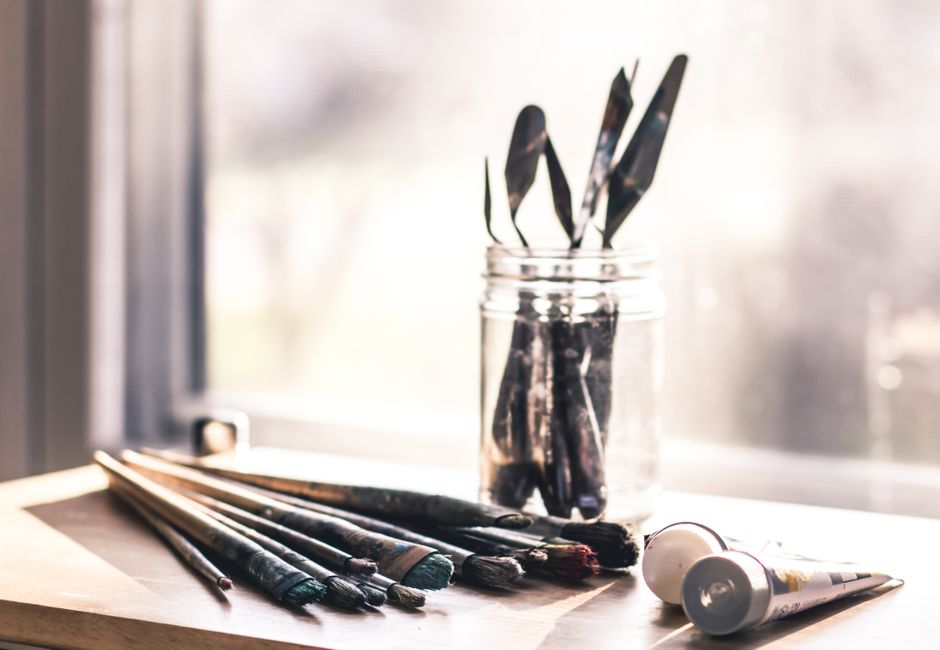
Texture on the handle begins to matter more than the whole shape. A small ridge catches the brush tip and holds it for a second longer than expected. That friction pulls the eye back.
Light as Variable
Afternoon sun shifts the color temperature by three o’clock. The same white wall behind the object warms to cream, then cools again when clouds pass. These small alterations keep the session from repeating exactly. I note the time on the back of each study without planning to compare them yet.
The surface holds whatever the hour decides to give it.
By day ten the boredom softens into quiet. The mind stops demanding novelty and begins to register how the handle meets the body of the mug at an angle that never quite resolves on first glance.
Shift in Attention
Daily painting routines help track these small thresholds where the eye stops skimming. The repetition itself becomes the tool rather than the obstacle. Each session lasts no more than forty minutes, enough to hold concentration without forcing it.
Smell of the drying paint layers builds a faint record in the room. Earlier studies lean against the wall, their surfaces still slightly tacky in cooler corners.
When Interest Arrives
Around day eighteen the object stops being an object. It turns into a field of decisions. The place where shadow meets highlight now carries weight that changes with the smallest tilt of the head. Boredom has already done its work by clearing away the need for constant story or drama.
observations on repetition suggest this moment often arrives without announcement. The painter simply notices that the next mark feels necessary rather than dutiful.
One evening the brush finds a line along the base that echoes the curve of the table grain beneath. The connection appears only after many days of looking at both surfaces side by side.
Closing the Cycle
By day twenty-five the studies begin to speak among themselves. Colors chosen on day three reappear altered by later light conditions. The mug itself remains unchanged, yet the record of looking grows denser.
insights into visual focus come from staying with one surface long enough for the hand to follow the eye without hesitation. No new techniques are introduced. Only the willingness to return.
personal creative journeys often circle back to these plain disciplines. The thirty days end with the mug still on the table and the last canvas drying beside the first. Nothing dramatic has occurred except the slow deepening of what was already present.
The room holds the faint trace of solvent and pigment. Outside, the light continues its daily movement across the wall.
daily painting routines observations on repetition insights into visual focus personal creative journeys