The Studio at Midnight
There's a particular quality to painting under a single incandescent bulb at midnight. The shadows are wrong. The colors are wrong. The whole scene is wrong in a way that daylight never is.
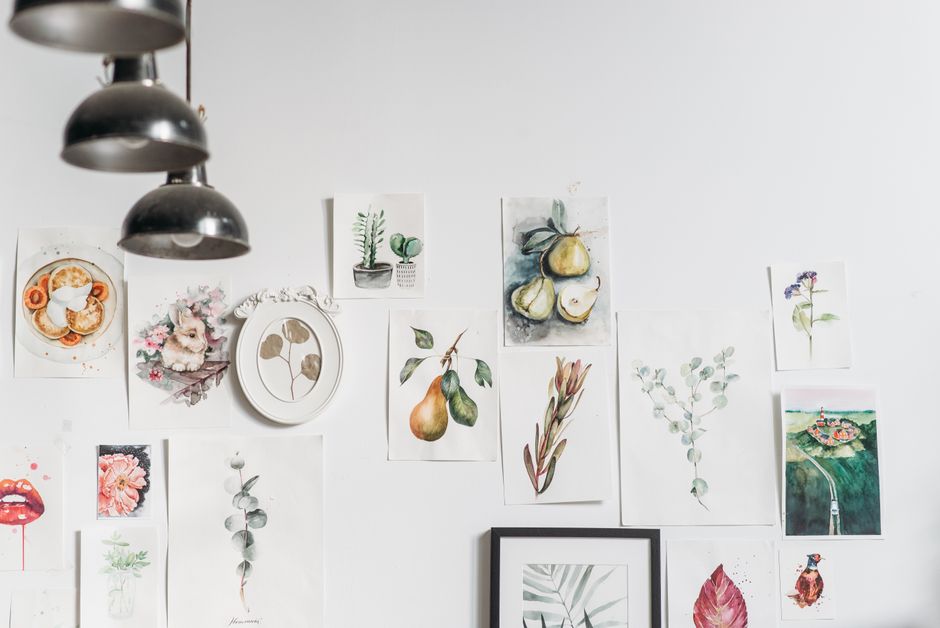
Most painters avoid this. You want consistent, neutral light — north-facing windows, daylight-balanced LEDs, the kind of illumination that doesn't lie to you about what you're making. The advice is sound. And I've been deliberately ignoring it.
Not out of stubbornness. Out of curiosity about what happens when you remove the safety net of accurate light.
What Bad Light Forces
When you can't trust the color you're seeing, you stop relying on color. You start relying on value — the relative lightness and darkness of things. You start relying on edge quality. You start relying on the structural relationships between forms rather than their surface appearance.
These are the things that hold a painting together. Color is the last layer. The bones are value and structure. Bad light strips away the color and leaves you with the bones.

I've been doing this once a week for the past month. A two-hour session under a single warm lamp, working from a still life I've set up specifically for the distortion. The objects are familiar — a ceramic bowl, a piece of cloth, a glass bottle. I know what they look like in daylight. Under the lamp, they become something else.
The Paintings That Come Out
They're not accurate. They're not supposed to be. But they have a quality that my daylight paintings sometimes lack — a kind of urgency, a willingness to commit to a mark without second-guessing it, because second-guessing requires information I don't have.
There's a related practice at Brushed Past of working with unfamiliar materials to force similar decisions. The constraint isn't the point — the decisions the constraint forces are the point.
The Calitoy collective has been talking about this in a broader creative context — the idea that removing a resource you rely on reveals what you actually know versus what you've been borrowing from the resource. And there's something in Risen Today's recent writing about working in the dark — not as metaphor, but as literal practice — that resonates with this.
Try it once. Set up a lamp. Work for two hours. See what you make when you can't see clearly. The painting will tell you something about what you actually understand.